


RCFE #100400070 | PCOA #319

Phone/Text: 559.835.0801

Phone/Text: 559.835.0801

Stories

Communicating with Those who are Affected by Aphasia

By 27th May 2019

Communication Strategies: Some Dos and Don’ts

The impact of aphasia on relationships may be profound, or only slight. No two people with aphasia are alike with respect to severity, former speech and language skills, or personality. But in all cases it is essential for the person to communicate as successfully as possible from the very beginning of the recovery process. Here are some suggestions to help communicate with a person with aphasia:

  1. Make sure you have the person’s attention before you start.
  2. Minimize or eliminate background noise (TV, radio, other people).
  3. Keep your own voice at a normal level, unless the person has indicated otherwise.
  4. Keep communication simple, but adult. Simplify your own sentence structure and reduce your rate of speech. Emphasize key words. Don’t “talk down” to the person with aphasia.
  5. Give them time to speak. Resist the urge to finish sentences or offer words.
  6. Communicate with drawings, gestures, writing and facial expressions in addition to speech.
  7. Confirm that you are communicating successfully with “yes” and “no” questions.
  8. Praise all attempts to speak and downplay any errors. Avoid insisting that that each word be produced perfectly.
  9. Engage in normal activities whenever possible. Do not shield people with aphasia from family or ignore them in a group conversation. Rather, try to involve them in family decision-making as much as possible. Keep them informed of events but avoid burdening them with day to day details.
  10. Encourage independence and avoid being overprotective.

Visit the National Aphasia Association here  

There’s a helpful video that describes the unlimited potential of aphasia patients and provides more helpful hints on how to communicate successfully.

Say YES! to Sunscreen

By 6th May 2019

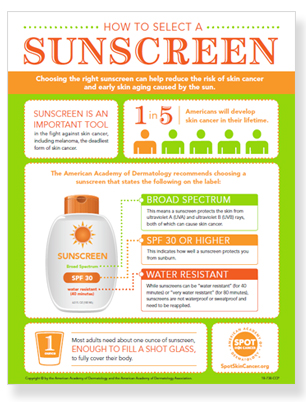
This infographic gives important information on how to protect against skin cancer, including detailing the difference between physical sunscreen and chemical sunscreen.


Stay Safe While You Travel

By 6th May 2019

Before you board a plane, train, cruise, or get in your car for a vacation, be sure to check out these expert tips and recommendations from the American Geriatrics Society’s Health in Aging Foundation. Whether you are traveling overseas or just a short distance from home, it is important to plan ahead for your healthcare needs.

Find out if you need to update your vaccinations
If you’re traveling overseas, you may need certain vaccinations before departing—up to 6 weeks before you leave, in some cases. Visit the Centers for Disease Control and Prevention’s (CDC) Travelers Health website to learn what measures you and your fellow travelers may be required to adhere to when traveling abroad.

Talk to your healthcare provider
Explain your travel plans to your healthcare provider, and discuss any travel precautions you should take. Your healthcare provider may ask you to come in for a checkup or to get any necessary shots.

Ask when you should take your medications
If you take medications, and will be crossing time zones, ask your healthcare provider whether you should take your meds at your usual home-time zone time, or switch to the local time zone. Also ask if any new foods you might eat while traveling could interact with your medications.

Guard against deep-vein thrombosis (DVT)
Older adults run a higher-than-average risk of DVT, which happens when blood clots form in your veins, usually in your legs, and block blood flow. Sitting still for a long time on an airplane or train can contribute to DVT. But some research finds that wearing special “compression stockings” can help prevent this dangerous condition. Check with your healthcare provider.

Get it in writing

  • Make a list of all prescription and over-the-counter medications you take, including the dosage and what time you should take these medications. Ask your pharmacist or healthcare provider to help you create this list and ask them to review it for accuracy. The list should include both trade and generic drug names and the amount of each medication you need to take with you on your trip.
  •  Ask your healthcare provider for a list of current medical problems you have and how they’re being treated.

Having all of this on paper will make it easier for you to get through customs, and easier to get replacement medications if you lose any while traveling. Make a copy of these lists. Carry one with you, and keep the other in a suitcase.

Keep your pills in their original containers
Do this with prescription and over-the-counter medicines and supplements. This will also make your trip through customs easier.

Carry necessary medications with you
Pack your medications in your carry-on bag to avoid loss or damage.

Protect yourself from infection and dehydration

  • Wash your hands or use an alcohol-based hand sanitizer, especially after spending time on a crowded plane, train, or bus, and before eating.
  • Use common sense when choosing what to eat and drink. The CDC travel site includes country-by-country information on illnesses you can get from food and water and how to avoid them.
  • Drink plenty of water when traveling by plane. The air inside planes is dry, so bring a large bottle of water with you and drink whenever you are the least bit thirsty. Or ask for a bottle of water every time the flight attendant offers a drink.

The Best Foods for Arthritis

By 6th May 2019

Five Must-Have Foods for Your Arthritis Diet

A diet that is full of fruits, vegetables and lean proteins can help you feel your best and stay healthy. And, if you have arthritis, adding fatty fish, nuts and healthy oils such as extra-virgin olive oil, may be especially beneficial.

Eat Like a Greek or Italian
One of the most important benefits from the Mediterranean diet for people with arthritis is a reduction in inflammation. The monounsaturated fats that are found in foods like olive oil, nuts and fish can have anti-inflammatory effects.  And studies show benefits for osteoarthritis as well as inflammatory types of arthritis like rheumatoid arthritis, gout and the skin disease associated with psoriatic arthritis.

The Mediterranean diet is also associated with other positives, such as:

  • Reducing the risk of developing chronic diseases such as cardiovascular disease and type 2 diabetes.
  • Lowering blood pressure.
  • Losing weight.

Add These Foods to Your Diet
Incorporate these five foods into your diet to move closer to a Mediterranean diet.

  1. Fish. The goal is to eat three to four ounces of fish twice a week. One of the benefits of eating some types of fish are the inflammation-fighting omega-3 fatty acids that they contain.  The one’s highest in omega-3s are salmon, mackerel, herring, lake trout, sardines and albacore tuna.  Try to avoid king mackerel that’s high in mercury.
  2. Fruits and Vegetables. Meats and proteins are often the star of the meal plate while fruits and vegetables are relegated to side dishes. Reverse that order and use fruits and veggies as the base of your meal. Reach for a piece of fruit or carrot or celery sticks for a pick-me-up in between meals. Try to eat between 5-9 servings of fruit and vegetables a day. A serving of most fruit and vegetables is one cup and two cups for leafy greens.
  3.  Nuts and Seeds. Almonds, sunflower seeds, pistachios, walnuts – there are a whole lot of choices when it comes to nuts and seeds. They can be eaten alone for a healthy snack or sprinkled on your salad or low-fat yogurt for a crunchy addition. One and a half ounces or a handful and half is the recommended daily serving.
  4. Whole Grains. There is more to whole grains than just brown rice. Think quinoa, farro, and bulgur among others. You can also opt for whole grain breads or whole wheat tortillas instead of white bread for your lunch-time sandwich. Eat between three and six ounces of grains a day. One ounce is the equivalent of a half cup of grains or a slice of whole wheat bread.
  5. Water. While not exclusive to the Mediterranean diet, drinking plenty of water each day is important. It makes a great change from soda or sugary fruit drinks. Besides keeping you hydrated, water also helps carry nutrients and oxygen to your cells, normalizes blood pressure and aids digestion among other health benefits.  Try adding lemon, raspberries or cucumbers for an additional nutritional boost.

Take It Slowly
Changing your diet can be a big undertaking. Start by making a few swaps at each meal. Small changes can make a big difference in how you feel and how well you manage your arthritis and overall health.